
Table of Contents
Introduction
Across Vietnam, from remote highlands to fertile rice plains, traditional knowledge has sustained communities for generations. But in many rural schools, STEM still feels foreign. “Inclusive Innovation: STEM Based on Culture” is a program developed by SEPA (STEM Education Promotion Alliance) to change that—by integrating indigenous knowledge, traditional crafts, and cultural heritage into engaging, hands-on STEM learning experiences.
Led by educator and SEPA founder Dao Thi Hong Quyen, the program fosters meaningful connections between science and students’ lives, empowers girls and marginalized youth, and cultivates both innovation and pride in identity.
Why STEM Through Culture?
-
Builds relevance and motivation through cultural connection
-
Promotes inclusion of underrepresented groups, especially girls and ethnic minorities
-
Encourages creativity, problem-solving, and sustainability
-
Honors local knowledge as a foundation for modern innovation
Quản trị viên
12 Tháng Mười Hai, 2023
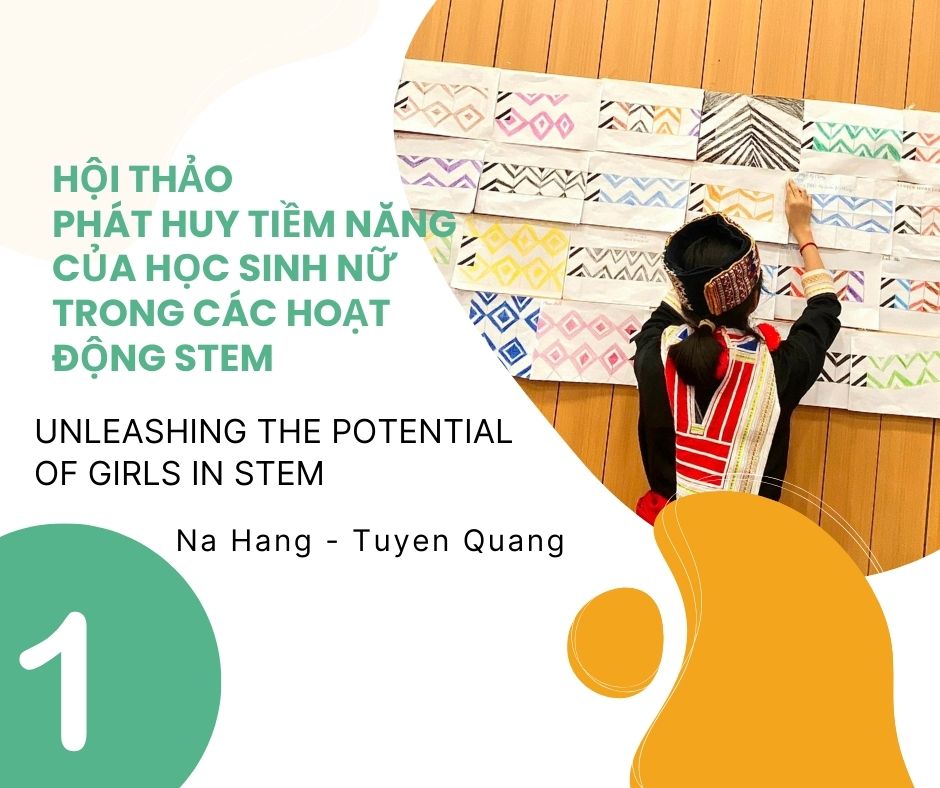
Hội thảo STEM Nữ huyện Na Hang – Tuyên Quang
Quản trị viên
16 Tháng Một, 2024
HỘI THẢO STEM NỮ HUYỆN LANG CHÁNH – THANH HÓA
Quản trị viên
29 Tháng Một, 2024
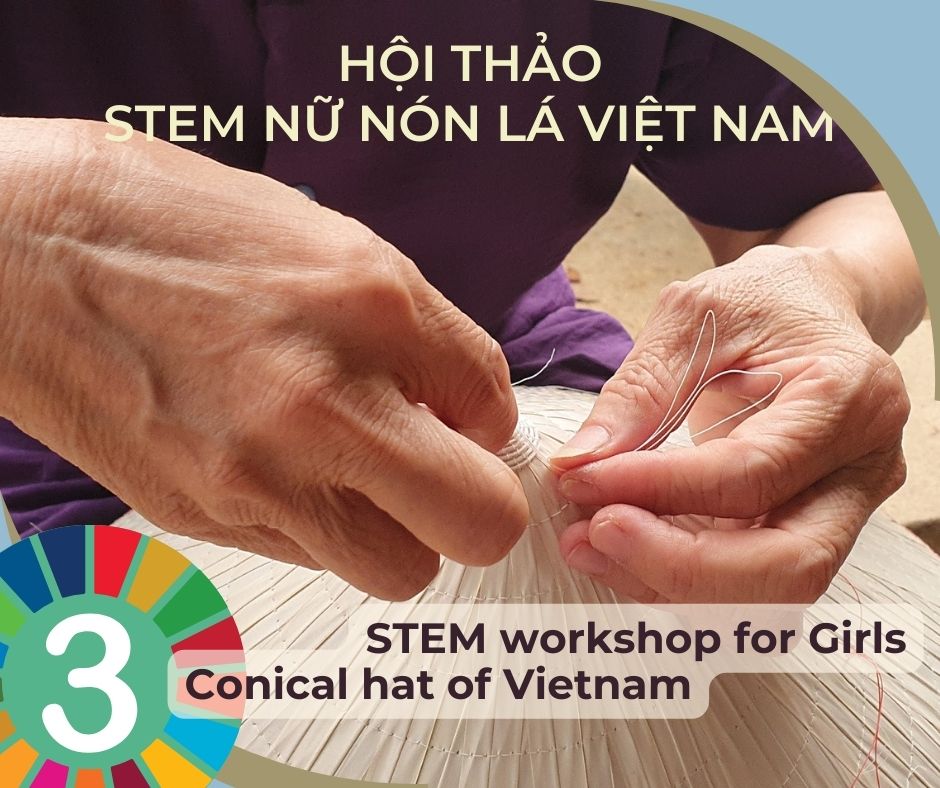
Hội thảo STEM nữ Nón lá – Phù Ninh
Quản trị viên
17 Tháng Tư, 2024
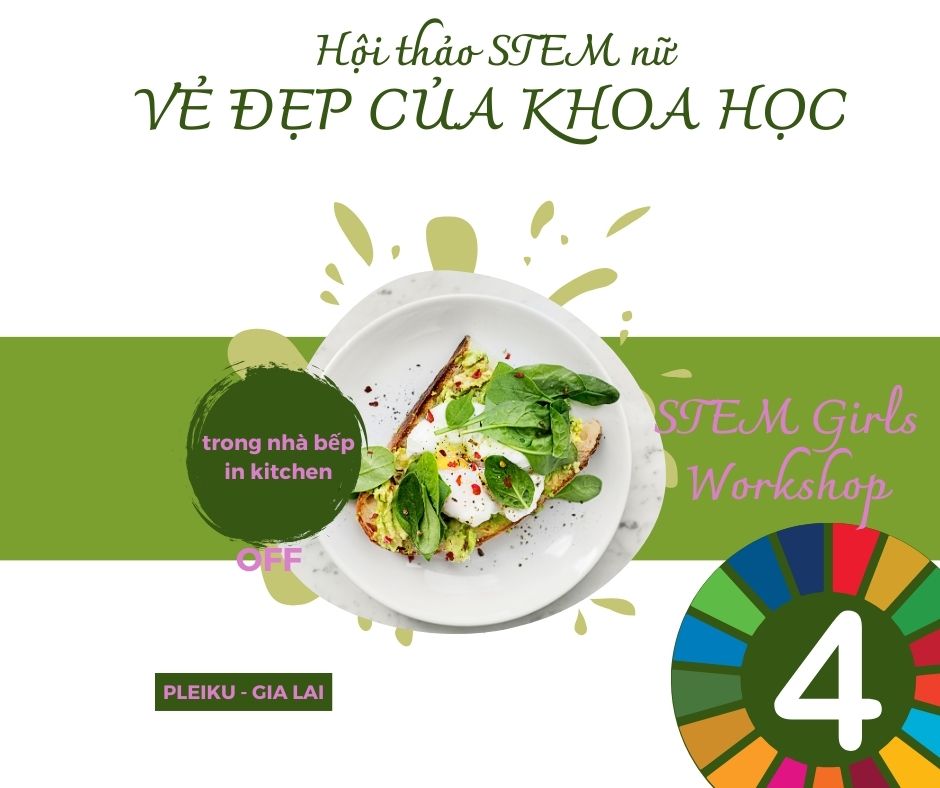
Hội thảo STEM nữ: Vẻ đẹp Khoa học trong đời sống
Quản trị viên
19 Tháng Tư, 2024
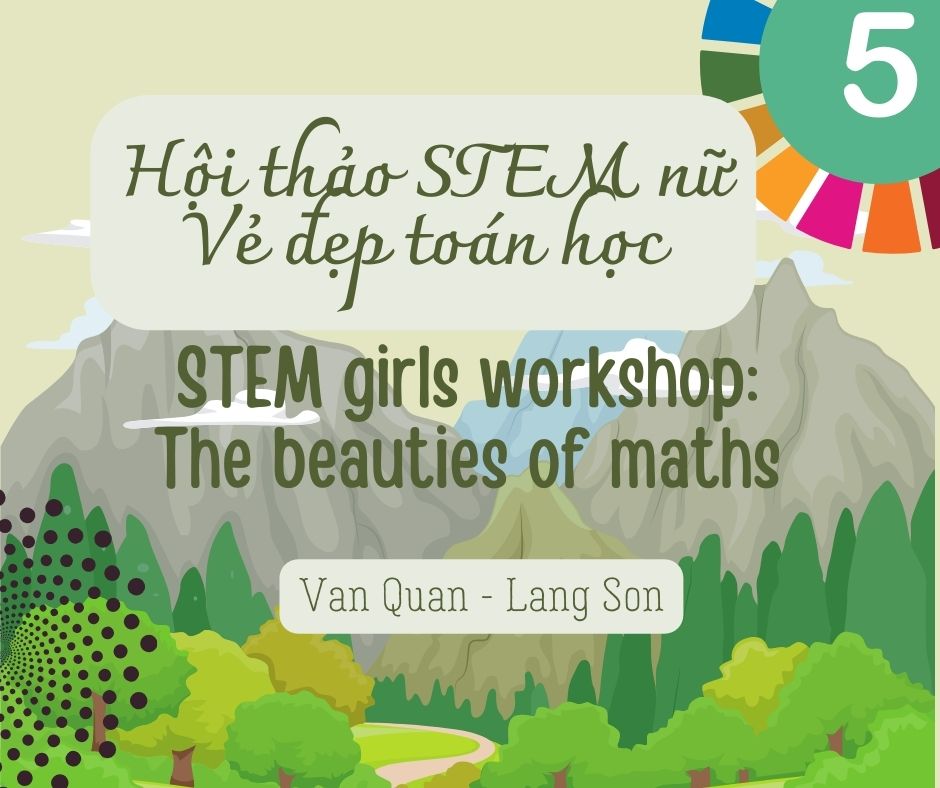
Hội thảo STEM nữ: Vẻ đẹp toán học
Quản trị viên
30 Tháng Tư, 2024
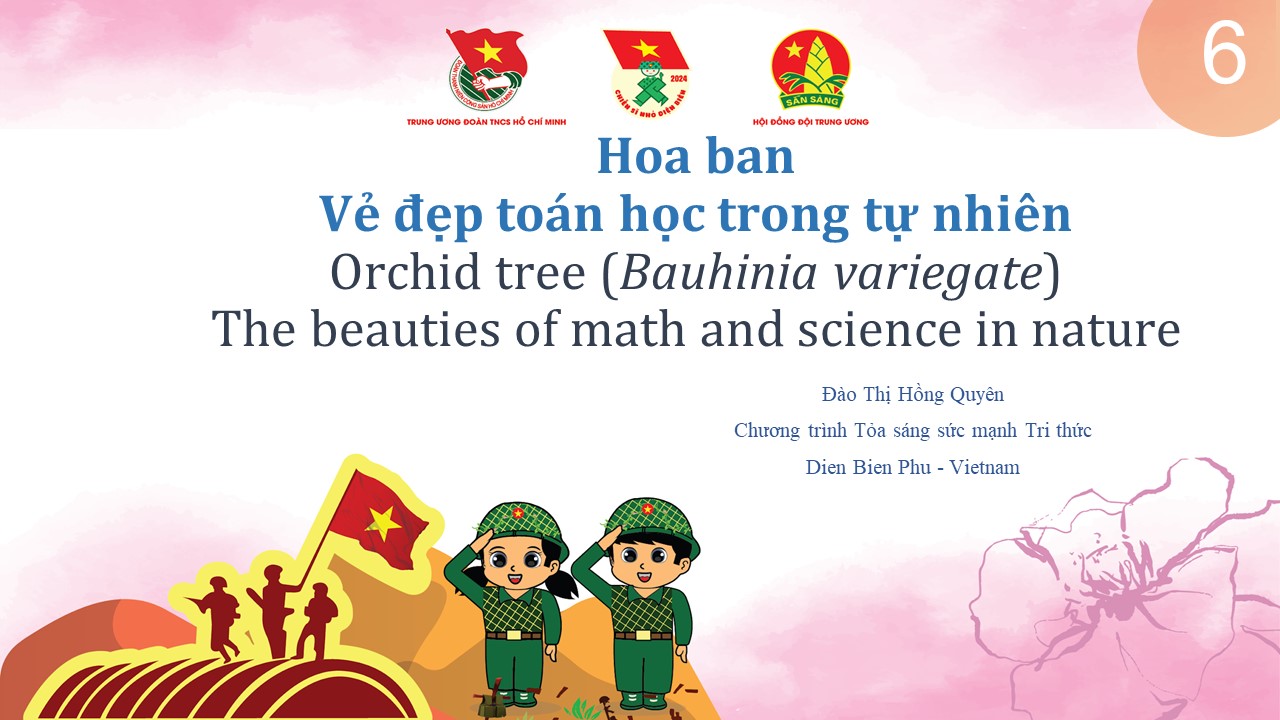
Hội thảo STEM nữ: Vẻ đẹp toán học và Khoa học của Hoa ban
Bean Red
9 Tháng Sáu, 2024
Hội thảo STEM nữ Dệt – Lập trình của sợi
Bean Red
10 Tháng Tám, 2024
Hội thảo STEM nữ: Lúa và gạo
Key Learning Themes & Activities
1. STEM Nón Lá – The Vietnamese Conical Hat
Students explore geometry, physics, and design by reimagining the iconic nón lá using sustainable materials. Activities include 3D modeling, structural testing, and crafting personalized designs that blend tradition and engineering.
2. The Science of Rice
Set in Thai Binh, this workshop explores agriculture, seed technology, and food systems through rice—Vietnam’s staple crop. Girls experiment with germination, design rice-separation tools, and discuss sustainability in farming.
3. Weaving as Programming
Inspired by the brocade weaving of the Mường people, students use mathematical logic, symmetry, and creative design to replicate patterns and simulate coding through physical crafts.
4. Math & Science in the Ban Flower
In Dien Bien, students explore the golden ratio and axial symmetry in the petals and leaves of the native orchid tree, connecting biology with mathematics and aesthetics.
5. Bamboo Technology & Carbon Futures
Students learn the science and sustainability of bamboo, create models of bamboo products, and explore the link between traditional materials and modern carbon credit systems.